
Subgrade, the prepared earth surface on which a pavement or the ballast of a railroad track is placed or upon which the foundation of a structure is built. A subgrade’s performance generally depends on three interrelated characteristics:
- Load Bearing Capacity
- Degree of compaction
- Moisture content
- Type of soils
- Moisture Content
- Surface Drainage
- Ground water elevation
- Infiltration / Pavement porosity
- Shrinkage/ Swelling
- Soils with excessive fine particles
- High moisture content
Roads that were built on poor subgrade might lead to failed/damaged roads. Typical road failures are;
- Crocodile Cracking
- Crocodile cracking is the appearance of a distinctive pattern of small cracks in the surface of asphalt pavement. These cracks first appear in a lengthwise, parallel fashion, but they are eventually connected horizontally by stress cracks. This process of crack formation creates small, rectangular- shaped patterns that resemble the hide of a crocodile, hence the name.

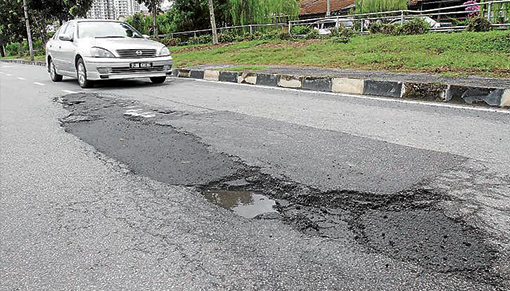
- Depression
- A depression in an asphalt surface is developed by poor sub-bases or companions over time. Depressions have a lower elevation than the asphalt surface which will cause the area to hold water for longer. Water buildup can cause further issues like raveling or potholes

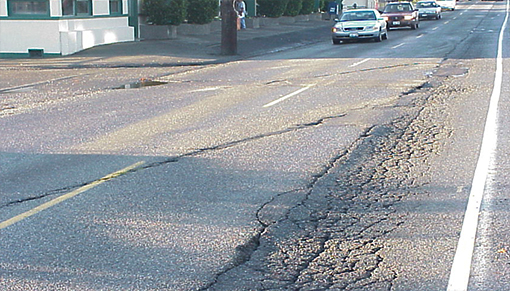
- Rutting
- Surface depression in the wheelpath. Pavement uplift (shearing) may occur along the sides of the rut. Ruts are particularly evident after a rainfall when they are filled with water.

 NBT Base & Pave S/B